Food security in Nigeria is often discussed in terms of farmland, markets, and rising food prices. Yet two less obvious drivers, electricity and internet access, are quietly shaping whether Nigerians can access, afford, and consume nutritious food.
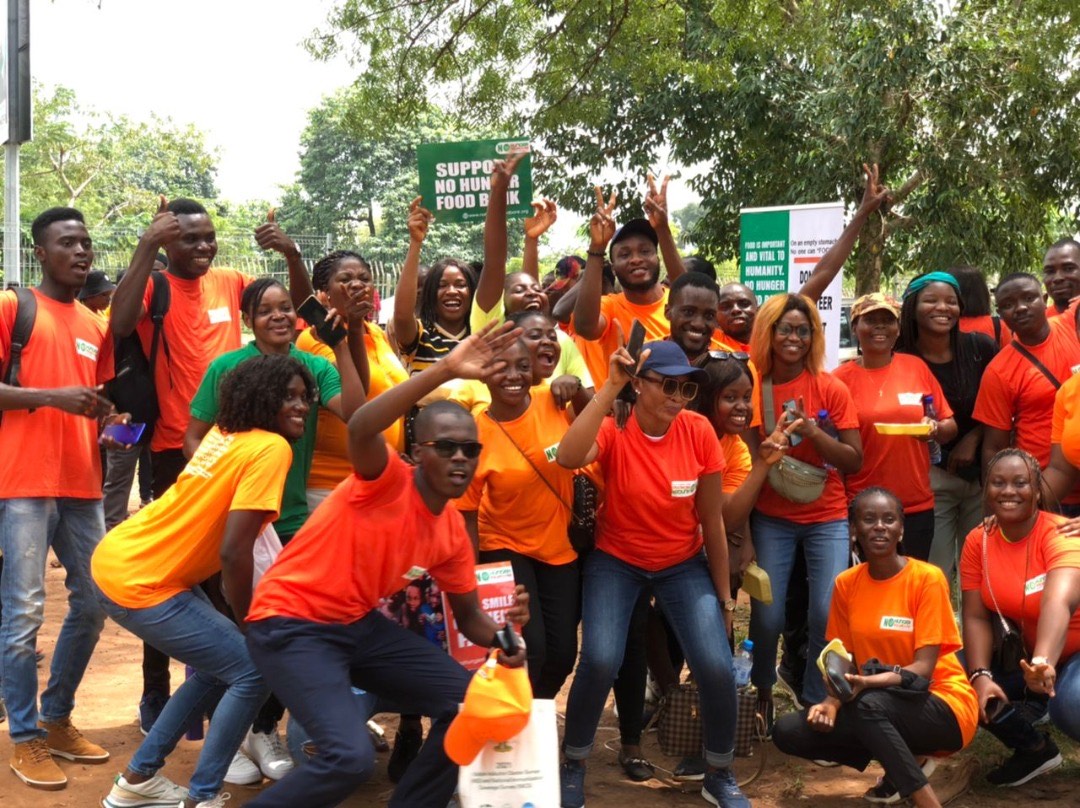
At Karon Majigi IDP camp, where No Hunger Food Bank (NHFB) runs nutrition outreaches, the absence of stable electricity and digital connectivity is not an abstract policy issue, it is a daily barrier to survival.
Why Power and Connectivity Matter for Food Security
1. Cold Storage and Preservation
Without electricity, perishable foods like vegetables, milk, and animal protein spoil quickly. For displaced families in camps, this means that even when nutritious foods are donated or distributed, they often cannot be stored for long.
2. Market Access and Prices
Farmers and traders across Nigeria increasingly rely on mobile technology for market price information, logistics, and digital payments. Where internet access is poor, smallholder farmers cannot optimize sales, while consumers in underserved communities face inflated prices due to broken supply chains.
3. Nutrition Education and Awareness
Digital tools are critical for disseminating knowledge. Mothers who could benefit from mobile health platforms, recipe tutorials, or breastfeeding guidance are left behind when connectivity is absent.
Lessons from NHFB’s Outreach at Karon Majigi
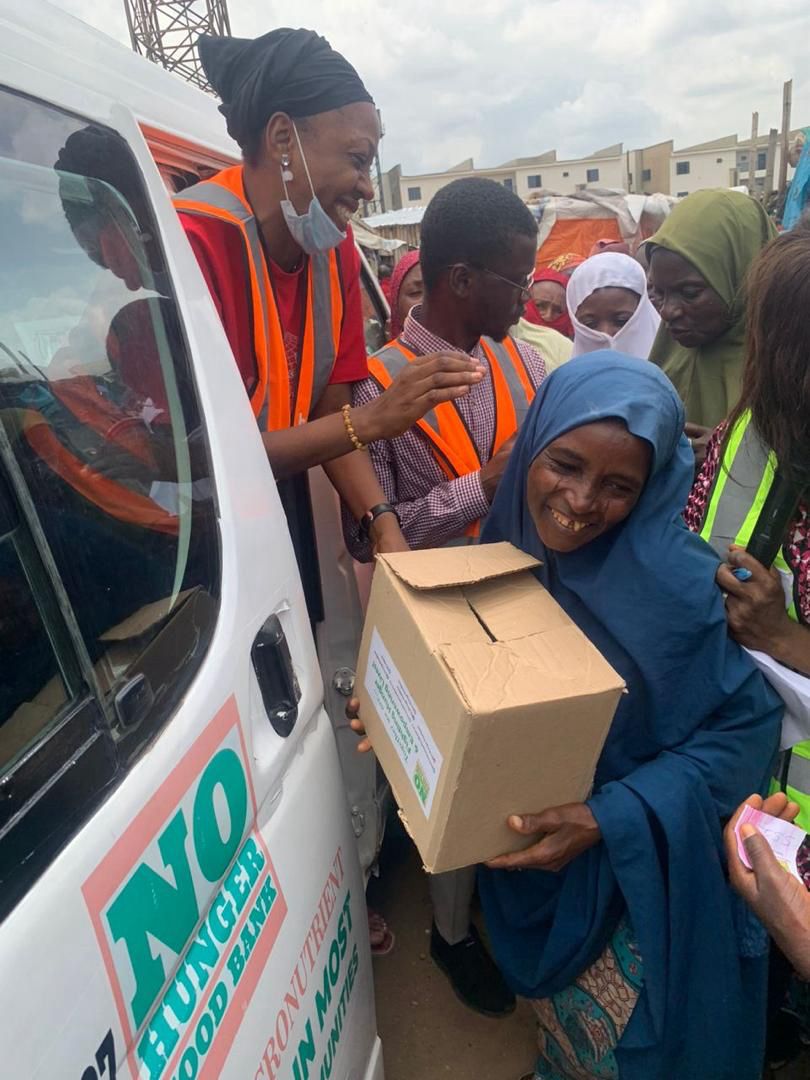
During NHFB’s last outreach at the camp, we distributed millet as part of our food package and encouraged mothers to enrich traditional pap with soy, groundnut, and leafy vegetables. However, many mothers asked how to preserve these ingredients safely when there is no cold storage and fuel costs for cooking are high.
Similarly, NHFB staff noted that while digital platforms could extend support beyond outreach days, poor connectivity in camps like Wasa IDP camp make consistent follow up nearly impossible.
The result is a cycle where vulnerable families depend on episodic aid distributions rather than being empowered with tools and infrastructure to sustain themselves.
But it is important to note that NHFB’s outreaches are not fixed to being monthly, they could be daily if resources and donations allowed. The demand is ever-present, and the model is flexible enough to scale with support.
NHFB’s Expanding Solutions
Beyond food distributions, NHFB is pushing for systemic interventions through its empowerment pillar, which focuses on enabling IDPs to rebuild livelihoods and reduce dependency on aid.
• Digitised IDP Program: NHFB is rolling out a digital system to better monitor beneficiaries, streamline distributions, and ensure that families especially female-headed households are connected to nutrition education, market updates, and digital farming tools. The Nigeria Agri-Innovation and Digital Agriculture Platform (NIDAP) which is a FAO-FG Partnership which is a digital agriculture platform that connects actors across the Value chain can help ensure that residents of this displaced communities achieve stability.
• Partnerships with Fresh Food Farmers and Retailers: Agreements have been signed with fresh produce suppliers in Mararaba, Dei-Dei, and other markets to improve shelf life, stabilize prices, and reduce waste. For instance, NHFB recently secured an interstate agreement with Katsina State tomato farmers to develop preservation infrastructure that reduces post-harvest losses. This effort not only lowers waste but also creates jobs for youth in local farming communities.
• Engagement with Government and Technology Partners: NHFB has begun discussions with government agencies and technology organizations to deploy solar-powered cold rooms in camps, ensuring fresh and nutritious food remains available longer.
Government initiatives such as the Advancement for Women in Agriculture, Agro-allied and Cottage Enterprises Program(AWAKE) can also provide training, access to finance, markets, and technology, fostering economic empowerment and sustainability for women entrepreneurs and farmers in this displaced communities.
• Collaboration with the Ministry of Agriculture’s Extension Services: Extension officers could work with NHFB to provide training, seeds, and farm inputs to IDP farmers, especially women who left their farmlands behind in Maiduguri and Yobe due to conflict. These women now live in camps in Abuja and need access to community farmland and basic farming infrastructure to restart food production. The Agri-business Development And Empowerment Program(ADEP) which is a government initiative aimed at boosting agri-businesses’ growth and sustainability. This program can provide support and resources to this individuals in displaced communities to get involved in agricultural production, processing, and marketing.
• Role of the Ministry of Humanitarian Affairs and Poverty Alleviation: Targeted interventions are needed to support displaced farmers with land allocation, small-scale irrigation systems, and training to rebuild agricultural livelihoods within and around camps.
• Grant support to Businesses: Government initiatives such as the Conditional Grant Scheme For Micro Enterprises(CGS) designed for micro enterprises, offering financial assistance under specific conditions to support their growth can help support nano businesses in this IDP camps for work force support and to ensure that they can procure equipments.
Voices from the Camps
Interviews with leaders in four IDP camps across Abuja including Karon Majigi, Wasa, Durumi, and New Kuchingoro, confirmed these realities. Community representatives consistently emphasized that,
•Electricity and internet access are as urgent as food donations.
• Women farmers want farming space and support to start afresh.
• Food waste in camps is rising due to lack of preservation facilities.
• With stable connectivity, many displaced youth could tap into digital farming and logistics jobs.
The Bigger Picture: Food Security and National Infrastructure
Nigeria’s food security challenge cannot be divorced from its energy and digital divide:
• Over 40% of Nigerians lack access to reliable electricity, especially in rural and conflict-affected regions.
• Internet penetration is rising, but affordability and connectivity gaps remain, particularly in IDP camps and remote communities.
• These deficits contribute directly to post-harvest losses, inflated food prices, and malnutrition, making food insecurity not just an agricultural problem but an infrastructure crisis.
What Needs to Be Done
For initiatives like NHFB’s grassroots outreach to succeed, they must be paired with:
• Investment in renewable off-grid solutions (e.g., solar-powered cold rooms in camps).
• Affordable, community-based internet hubs for farmers and families to access market information and nutrition education.
• Public-private partnerships to ensure that digital innovations in food systems (agrifood tech) are not just urban luxuries but tools for vulnerable populations.
• Strengthened collaboration between NHFB and the Ministries of Agriculture, Humanitarian Affairs, and Technology to make food systems more inclusive for displaced populations.
Conclusion: Lighting the Path Forward
At Karon Majigi, NHFB continues to fill the gap by combining food assistance with education, but the reality is clear: without electricity and connectivity, Nigeria’s fight against hunger is working with one hand tied behind its back.
By expanding outreach frequency, investing in empowerment programs, building digital infrastructure, and aligning with government and fresh food producers, NHFB is proving that displaced families can be more than aid recipients—they can be active participants in shaping their own food security future.
Marcus Ajayi
Nutrition Impact Analyst
No Hunger Food Bank
Marcus Ajayi is a Nutrition Impact Analyst with No Hunger Food Bank, where he leads initiatives that strengthen community nutrition and food security. He holds a degree in Human Nutrition and Dietetics and has experience in agrifood systems transformation, nutrition programs, and emergency food assistance. Passionate about Public health Nutrition, he works at the intersection of research, outreach, and policy advocacy to drive sustainable change



Why Power and Connectivity Matter for Food Security
Lessons from NHFB’s Outreach at Karon Majigi
NHFB’s Expanding Solutions
Voices from the Camps
The Bigger Picture: Food Security and National Infrastructure
What Needs to Be Done
Conclusion: Lighting the Path Forward