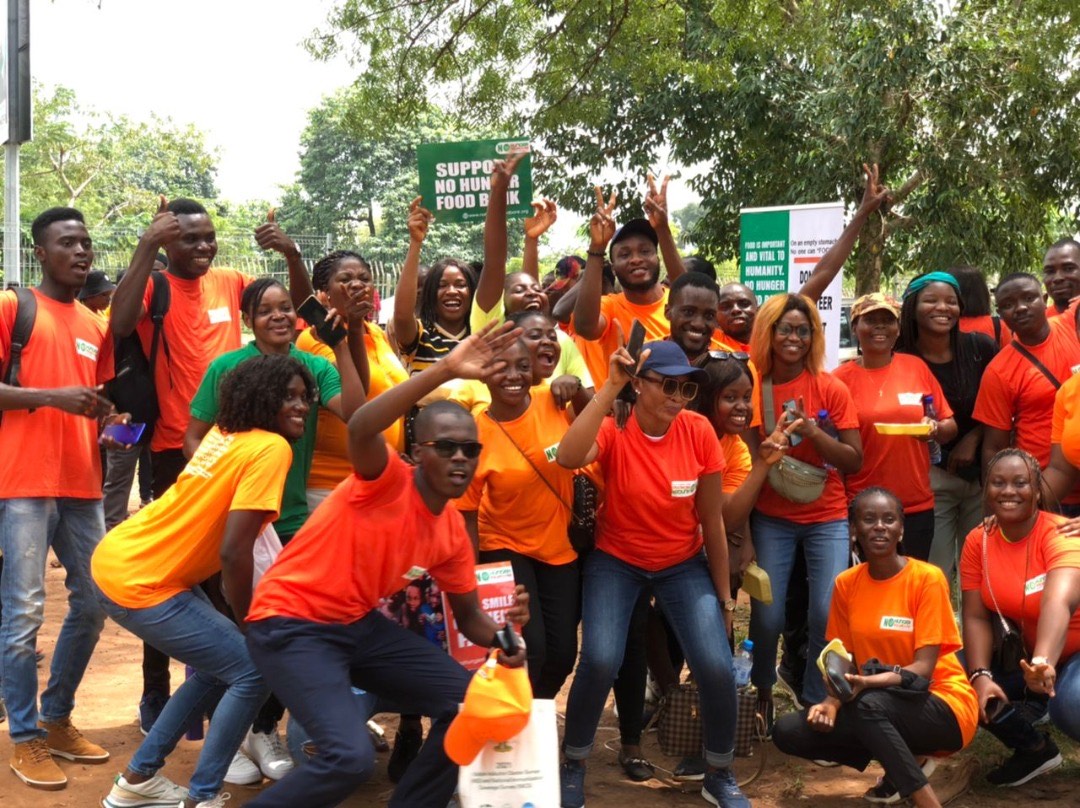
Few weeks ago, as the world marked World Breastfeeding Week, I turned attention to one of the most crucial and often overlooked, periods in human development: the first 1,000 days of life, from conception to a child’s second birthday.
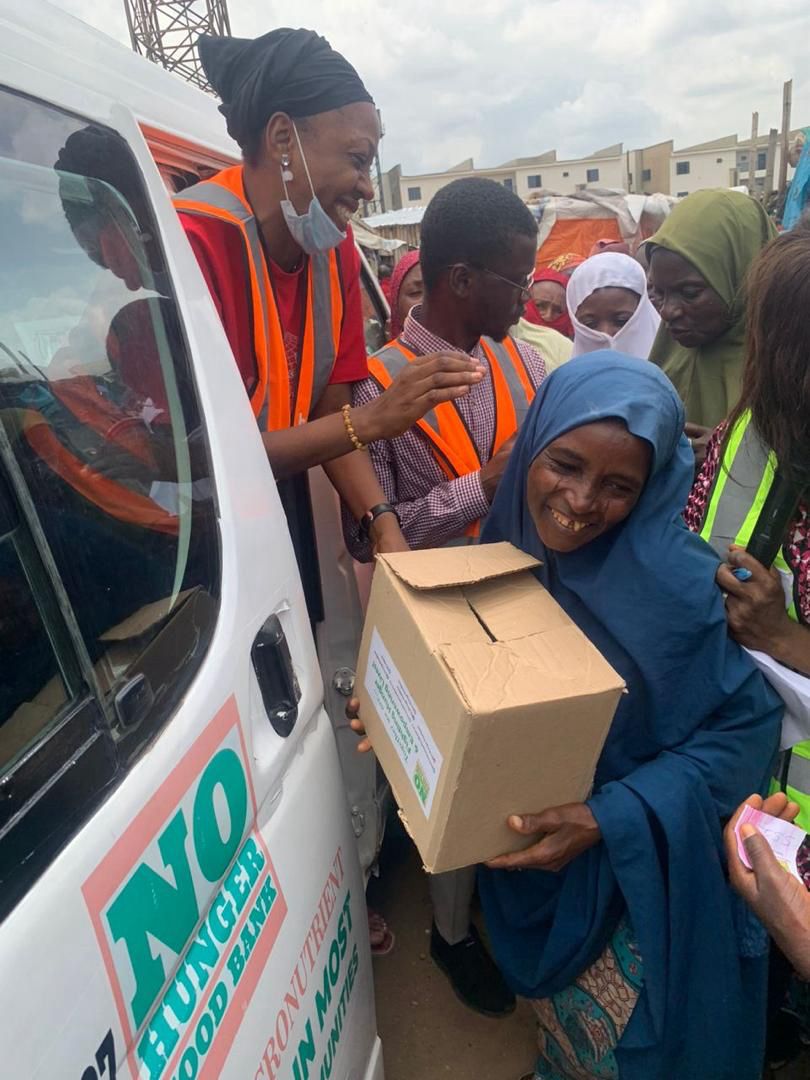
For the No Hunger Food Bank (NHFB), this is not just a health talking point, it’s a field reality. In the heart of IDP Camps in Abuja, working directly with pregnant women, nursing mothers, NHFB’s team has seen firsthand the importance of breastfeeding and the larger impact of the first 1,000 days of life to breaking the cycle of hunger before it begins.
Experts also agree that this window offers an unparalleled opportunity to shape a child’s lifelong health, growth, and potential. For Nigeria, where malnutrition continues to undermine national development goals, the 1,000 days are not just a health priority, they are a frontline defense in the fight against hunger.

Why the 1,000 Days Matter

In displacement settings, the 1,000 days are often marked by food scarcity, overcrowding, and limited access to health services. This puts mothers and children at high risk of:
• Acute malnutrition (wasting), which can be life-threatening
• Stunting, which impacts learning and earning potential later in life
• Micronutrient deficiencies, especially iron and vitamin A

NHFB’s approach addresses these risks head-on. We  understand that pairing nutrition education with targeted food assistance ensures mothers can nourish both themselves and their children.

Breastfeeding as the First Line of Defense
The World Health Organization (WHO) recommends exclusive breastfeeding for the first six months and continued breastfeeding up to two years and beyond, alongside complementary feeding.
In the context of rising food prices, breastmilk remains the safest, most accessible, and most nutrient-rich food for infants, free from market shocks and inflation.
Benefits include:
• Complete nutrition with the perfect balance of fats, proteins, and vitamins
• Protection against infections through immune-boosting antibodies
• Bonding and emotional security for both mother and child

A Call to Action: Making the 1,000 Days Count

The State of Food Security and Nutrition in the World 2025 report warns that the cost of a healthy diet is now out of reach for over 60% of Nigerians. For IDP camps, that figure is even higher. NHFB’s work in IDP camps demonstrates that targeted, localized interventions especially in the 1,000 days can offset the worst effects of food insecurity.
NHICON calls on policymakers and humanitarian partners to:
•Integrate 1,000-day nutrition programs into all displacement response plans
• Support breastfeeding-friendly spaces in camps
• Ensure nutrient-rich food rations, not just bulk staples
• Fund continuous nutrition education, even beyond emergency food distributions
If Nigeria is to win the war on hunger, it must win it in the first 1,000 days, starting in the places where the need is greatest.
As we reflect on World Breastfeeding Week, NHICON reaffirms its commitment to spotlighting the science, the stories, and the solutions that will make the Zero Hunger goal a reality.

Post a comment

Your email address will not be published.