Community
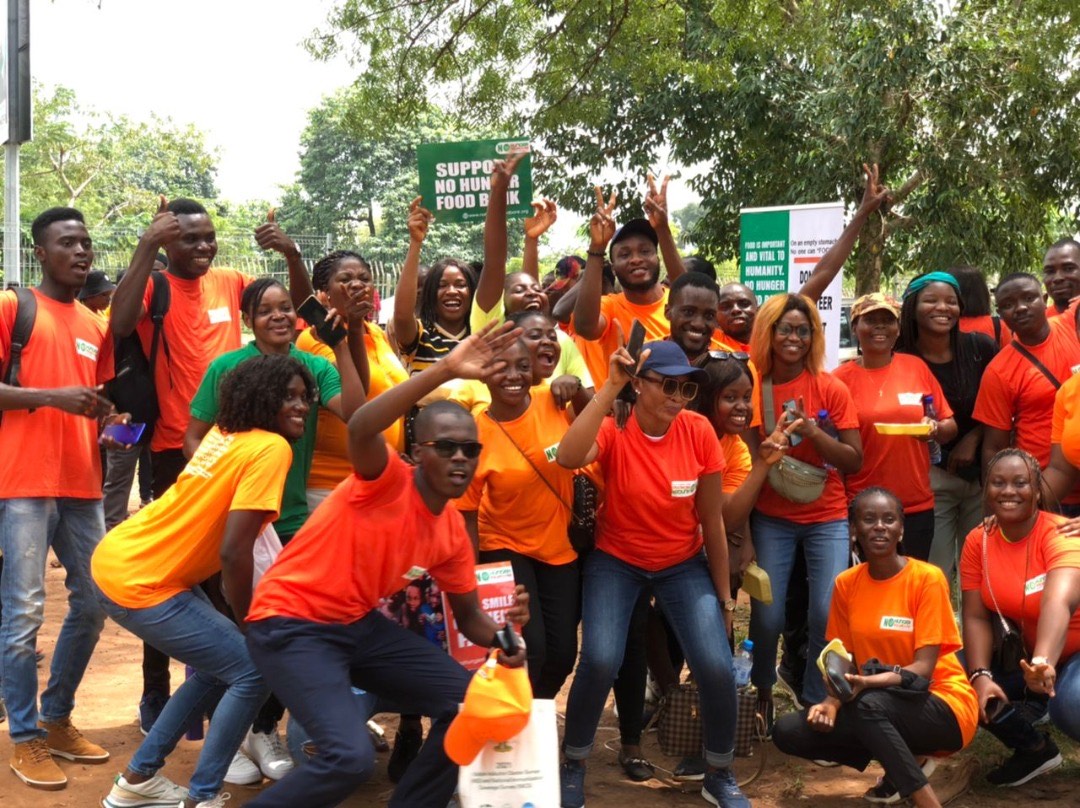
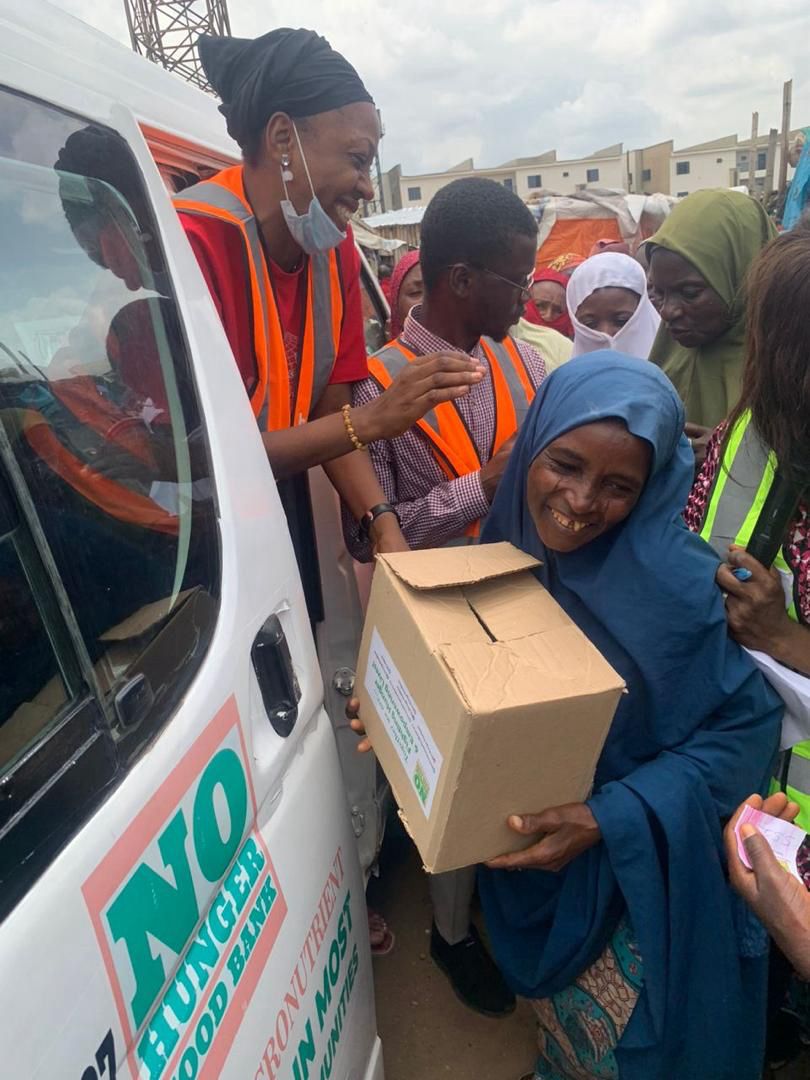
As Nigeria grapples with the cascading effects of inflation, one of the most devastating consequences is unfolding at the dinner tables of millions: soaring food prices are worsening hunger and deepening the burden of malnutrition. At No Hunger Food Bank, on the field experiences by the NHFB team during our regular Temporary Food Assistance Program(TFAP) buttresses this new reality in underserved communities in Nigeria
According to the 2025 State of Food Security and Nutrition in the World (SOFI) report, nearly one in four people in Africa faced hunger in 2024, with Nigeria amongst the countries experiencing the sharpest deterioration. The report underscores how food price inflation is no longer a temporary shock but a chronic barrier to food security and adequate nutrition.
Residents in IDP camps are among the populations hit the hardest by this deteriorating situation. Their source of livelihoods already displaced due to conflicts, high food prices now now make even the basic unreachable to them. At No Hunger Food Bank, we see our interventions as being a greater need at this time.
A Triple Burden: Poverty, Inflation, and Malnutrition
For Nigerian households already contending with poverty, the continued rise in food prices means less diverse and less nutritious diets. As food staples like rice, maize, and cooking oil become unaffordable, families are forced to shift to cheaper, calorie dense options, sacrificing essential nutrients. This also leads to a growing “hidden hunger” crisis, marked by widespread micronutrient deficiencies especially in women and children
• Urban poor populations are increasingly consuming ultra processed, nutrient poor diets.
• Maternal undernutrition is spiking in IDP camps and food insecure states like Borno, Katsina, and Sokoto.
Food Inflation: The Hidden Policy Killer
The SOFI report notes that domestic food price inflation in Nigeria has outpaced income growth for most citizens. This threatens progress toward Sustainable Development Goal 2, Zero Hunger, and places a financial strain on national nutrition programs.
This makes existing food aid interventions even more critical, but also more costly and difficult to sustain. NHFB through its Food banking component continues to provide support to the vulnerable and much more than ever continues to seek innovative solutions to the problem of Hunger
What Can Be Done?
Policymakers, researchers, and food systems actors must act fast to protect the nutritional status of vulnerable populations. NHICON recommends the following:
•Scale up nutrition sensitive social protection programs, especially for children and pregnant women.
• Subsidize nutrient rich foods, not just staple grains.
• Support urban agriculture and home gardening initiatives, which have shown promise in cities. NHFB’s Vertical Backyard Farming(Vert2FAMNN) project is a success story in this regard.
A Call to Action
As Nigeria continues to navigate the global economic shocks and domestic policy gaps fueling food inflation, nutrition must not be sidelined. Hunger is not just about empty stomachs, it’s about undermined futures.
At NHICON, we remain committed to end hunger by promoting conversation and information exchange about best practices in hunger issues, agrifood tech adoption, agribusinesses investment, and policy advocacy.